Tokyo Sushi-Making Classes for Kids Who Don't Eat Raw Fish
Yes — several Tokyo sushi classes publish a way to skip raw fish, but they handle it differently and their age limits differ. Tokyo Sushi-Making Tour has a named Non-Raw Fish Menu (ages 8+). Ramen Cooking Tokyo has a ramen & gyoza course with nothing raw (ages 5+). Chagohan offers vegetarian and vegan nigiri with 7 days' notice (all ages with a guardian). Mayuko's Little Kitchen runs a vegetarian/vegan sushi course (10+; younger children in a private class).
We compared six Tokyo classes that teach sushi (or offer a sushi-free alternative) on the conditions that matter for a child who won't eat raw fish: what the fish-free version actually is, the youngest age allowed, how much notice the kitchen needs and what happens if you cancel.
Last checked 2026-10-05. We have not taken these classes; nothing here is a review.
Key differences at a glance
- “No raw fish” means different things. A separate menu: Tokyo Sushi-Making Tour's Non-Raw Fish Menu and Mayuko's vegetarian/vegan sushi course. A swap on request: Chagohan (vegetarian/vegan with 7 days' notice) and Tokyo Sushi School (“we can accommodate those who can't eat raw fish”). Cooked fish: Ramen Cooking Tokyo torches the sushi fish — it is still fish — so choose its ramen & gyoza course for nothing raw.
- Age limits: Chagohan welcomes all ages with a guardian (3+ pay the adult rate). Ramen Cooking Tokyo takes 5+ in group classes. Tokyo Sushi-Making Tour's minimum is 8, and groups with a child under 8 cannot take part. Tokyo Sushi School takes upper elementary school and above. Mayuko's shared classes are 10+; book a private class for younger children.
- Mixed menus: Cooking Sun's menu includes items without raw fish (inari sushi, rolled egg, cucumber roll, miso soup) next to tuna rolls and nigiri, but its FAQ says the Tokyo sushi class can only be done with fish while the class page says ingredients can be substituted — ask before booking.
- Notice: Chagohan needs dietary requests at least 7 days ahead. Tokyo Sushi-Making Tour asks in its booking form how many guests don't eat raw fish. Mayuko's asks you to note restrictions when booking.
- Language: all are taught in English except Tokyo Sushi School, whose page says lessons are mostly hands-on with supplementary materials and whose phone line takes Japanese only.
- Cancellation: Ramen Cooking Tokyo and Tokyo Sushi-Making Tour are free up to 24 hours before; Tokyo Sushi School gives a full refund 5+ days before; Chagohan (shared) and Mayuko's need 14 days.
Full comparison
Scroll sideways on a phone. “Not confirmed” means the operator's pages did not state it when we checked — it does not mean “no”.
| Condition | 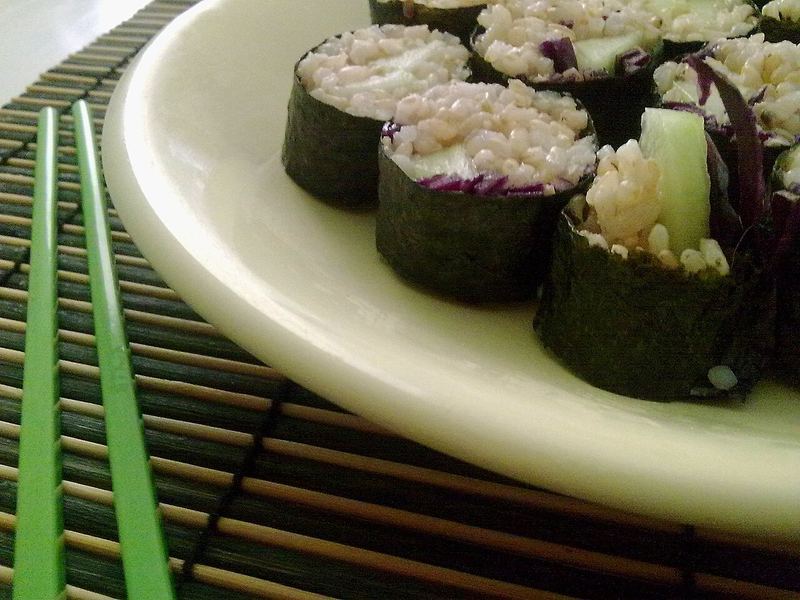 | Ramen | 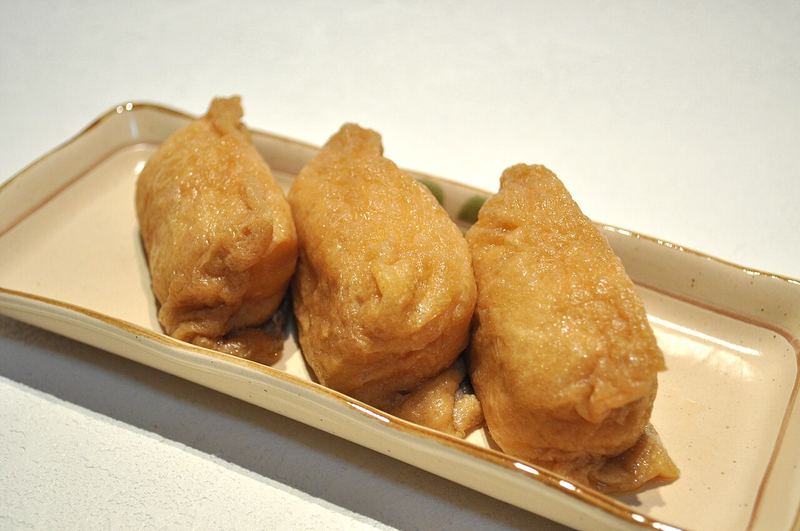 | | 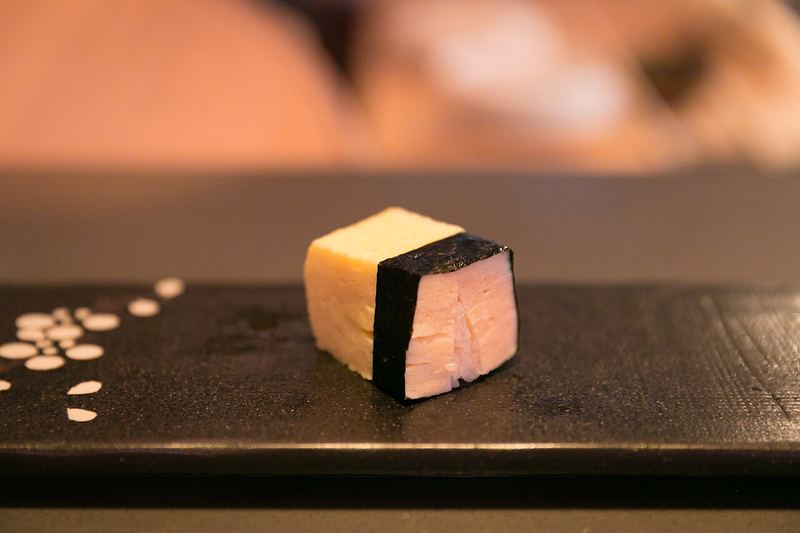 | 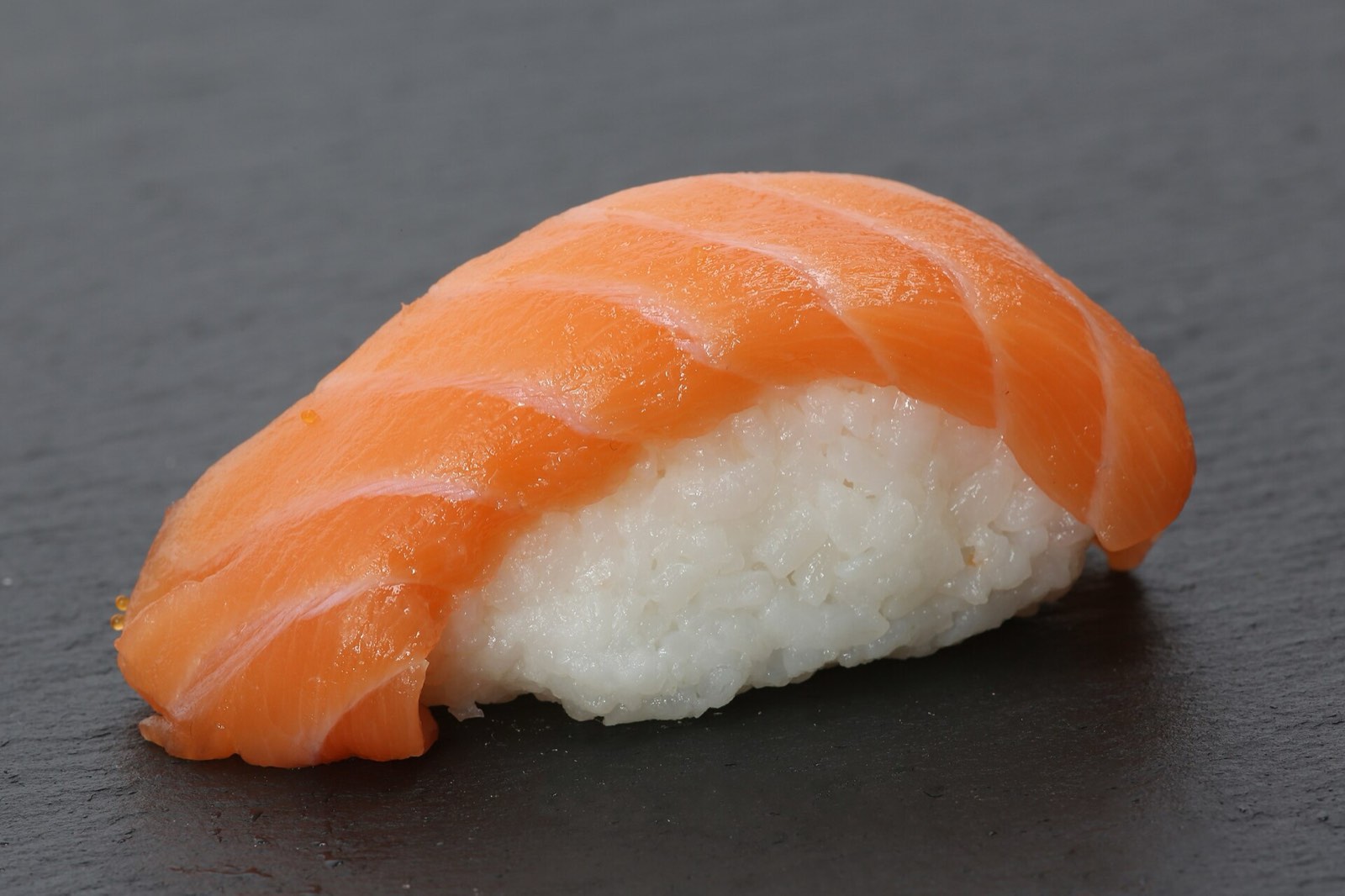 |
|---|---|---|---|---|---|---|
| No-raw-fish option | Yes — the page offers a "Non-Raw Fish Menu" and a vegetarian menu, and the booking form asks how many participants don't eat raw fish. Confirm allergies and fish/seafood exposure directly with the operator before booking.[source] | Yes — the ramen & gyoza course has "nothing raw". On the sushi course, fish can be torched for guests who don't eat raw fish (it is still fish). Confirm allergies and fish/seafood exposure directly with the operator before booking.[source] | Yes, with advance notice — vegetarian and vegan options are available; the page notes vegetables, tofu and meat can top nigiri. Dietary requests must be sent at least 7 days ahead. Confirm allergies and fish/seafood exposure directly with the operator before booking.[source] | Yes — a vegetarian/vegan sushi course is listed alongside the regular sushi course. Confirm allergies and fish/seafood exposure directly with the operator before booking.[source] | Yes — the FAQ says the school can accommodate those who can't eat raw fish. Confirm allergies and fish/seafood exposure directly with the operator before booking.[source] | Partly. The menu includes items without raw fish (miso soup, rolled egg, inari sushi, cucumber roll), but also tuna rolls and nigiri with pre-sliced sashimi fish. The pages differ on a fully fish-free version: the FAQ says the Tokyo sushi class can only be done with fish, while the class page says ingredients can be substituted for vegetarian preferences. Confirm allergies and fish/seafood exposure directly with the operator before booking.[source] |
| Minimum age | 8+. Groups with children under 8 cannot participate.[source] | 5+ in group classes; younger children are welcome in a private class.[source] | Children of all ages are welcome with a guardian; under-16s must be accompanied. Under 3 free; children 3 and older are booked as adults (no child discount). Parents may be asked to handle steps with sharp knives or fire.[source] | 10+ in shared classes, with a paying adult. Groups with children under 10 or babies should book a private class.[source] | Children in upper elementary school (Japanese school grades 4–6) and above are welcome; no exact age is given.[source] | No stated minimum. Ages 6–12 join at a child rate; ages 5 and under are free but get no ingredients or utensils of their own.[source] |
| What you make | Four types: California roll, decorative sushi roll, nigiri and battleship (gunkan) sushi. The standard menu mainly uses raw fish.[source] | Standard course: Tokyo-style shoyu ramen with its broth, and hand-shaped nigiri. A ramen & gyoza course is offered at the same price.[source] | Hand-formed nigiri, including fish preparation (filleting, marinating) with bluefin tuna and seasonal fish.[source] | Vegetable sushi rolls and gunkan ("ship") sushi with seasonal ingredients, miso soup from scratch, a seasonal side dish, a drink and a matcha-making and sake experience (non-alcoholic alternative available).[source] | Edomae nigiri with a range of toppings (including egg omelette, squid, octopus and shellfish), negitoro, cucumber and kanpyo rolls, and gunkan sushi.[source] | Miso soup, rolled omelette, sushi rice, inari sushi, tuna and cucumber rolls, California roll and nigiri. Fish comes pre-sliced (no slicing lesson).[source] |
| Group size | Up to 8 guests; private classes on request.[source] | Maximum 8 guests per session; the whole studio can be booked privately for up to 8.[source] | Shared class up to 12 people; groups of 13 or more contact the operator. Private classes are priced by party size.[source] | Shared classes are limited to six or seven guests; private events up to seven.[source] | One instructor guides 4–5 participants; more instructors are assigned for larger groups.[source] | Normal class accepts bookings of 8–10 people maximum (FAQ); the class page lists rates for 1, 2–3 and 4–8 persons. Groups of more than 8 are asked to email for a customized lesson.[source] |
| Language | English (conducted entirely in English).[source] | English ("100% English").[source] | English (the operator may teach in other languages at its discretion).[source] | English; Japanese with advance notice[source] | The page tells guests who don't understand Japanese that lessons are mostly hands-on with supplementary materials; phone enquiries are accepted in Japanese only.[source] | English[source] |
| Duration | 2.5 hours (weekdays 10:30–13:00).[source] | About 2.5–3 hours (10:00–13:00 or 14:00–17:00).[source] | 2.5 hours (Tuesday 10:00 class).[source] | About 2.5–3 hours from the meeting time[source] | 2 hours (13:30–15:30, weekdays and Saturdays).[source] | 3 hours (afternoon class, 13:30–16:30)[source] |
| Take-home | Not confirmed The page does not say whether sushi can be taken away. Ask the operator.[source] | Food is eaten in class; recipes and photos are what guests take home.[source] | No — food prepared in class cannot be taken out (Health Department regulations); it is eaten in class.[source] | Not confirmed The FAQ mentions printed recipes on request, but not taking food away. Ask the operator.[source] | Eat the sushi you made on site, or take it home.[source] | Not confirmed The pages do not say whether leftovers can be taken away. Ask the operator.[source] |
| Cancellation | Free more than 24 hours before; 50% 12–24 hours before; 100% within 12 hours.[source] | Full refund if cancelled 24 hours or more in advance; non-refundable within 24 hours.[source] | Shared class: free 14+ days before; 50% 13–7 days before; 100% 6 days or less / no-show. Private class: free 31+ days before; 100% within 30 days.[source] | Full refund 14+ days before; 50% refund 7–13 days before; no refund within 6 days.[source] | Full refund 5 or more days before; non-refundable within 4 days. Arriving more than 30 minutes late means you cannot take part.[source] | Full refund more than 7 days before; 80% refund 2–6 days before; 50% refund 1 day before; no refund on the day or for no-shows.[source] |
| Non-participating companions | Not confirmed Ask the operator. | Not confirmed Ask the operator. | No free observation — accompanying people must book too; tell the operator if someone will not cook.[source] | Not allowed — every guest takes part in the cooking.[source] | Not confirmed Ask the operator. | Not confirmed The FAQ does not mention non-cooking companions; children 5 and under may assist or share with an adult. Ask the operator.[source] |
| Dietary & allergies | Non-raw-fish, vegetarian, halal-friendly and allergy-friendly (e.g. gluten-free) ingredients on advance notice. Confirm allergies and fish/seafood exposure directly with the operator before booking.[source] | Chicken broth instead of pork on request. Vegetarians must contact the operator before booking (not always possible); vegan and halal diets cannot be accommodated. Confirm allergies and fish/seafood exposure directly with the operator before booking.[source] | Vegan, gluten-free, halal-friendly and other requests must be sent at least 7 days ahead; same-day changes are not possible. Confirm allergies and fish/seafood exposure directly with the operator before booking.[source] | Mention food allergies or restrictions in the space provided when booking; the FAQ says many vegetarian classes have been held. Confirm allergies and fish/seafood exposure directly with the operator before booking.[source] | Not confirmed Raw-fish adjustments are mentioned, but allergies are not addressed on the course page. Ask the operator about allergies and fish before booking.[source] | The class page says ingredients can be substituted for food allergies, gluten-free, religious and vegetarian needs. The FAQ says every menu can be meat-free except the Tokyo sushi class (fish only), and that wheat-free soy sauce and alcohol-free vinegar are available. Confirm allergies and fish/seafood exposure directly with the operator before booking.[source] |
| Meeting point | East Exit of Kita-Senju Station; staff walk you to the venue.[source] | Studio about 4 minutes on foot from Tsukishima Station (Exit 4).[source] | Studio in Nishi-Asakusa, Taito-ku (Kappabashi area).[source] | JR Sendagaya Station[source] | School about 7 minutes on foot from Ikebukuro Station.[source] | Studio near JR Shinanomachi Station (about 7–8 minutes on foot).[source] |
| Where to book | Booking request form on the operator's site, then an online payment link.[source] | Live booking calendar on the operator's website.[source] | Booking form on the operator's class page.[source] | Booking page on the operator's website (opens 2 months ahead); contact form for larger groups.[source] | Online application form on the school's website.[source] | Booking form on the operator's website; phone for same-day availability.[source] |
Which class fits which group
Small Group Sushi-Making Class · Tokyo Sushi-Making Tour
Fits families with children 8+ who still want to make all four sushi types, just without raw fish — tell them in the booking form.
Ramen & Sushi (or Ramen & Gyoza) Class · Ramen Cooking Tokyo
Fits families with children 5+ (younger in a private class). Pick the ramen & gyoza course if you want nothing raw at all.
Nigiri Sushi Class · Chagohan Tokyo
Fits families with very young children, if you can send the vegetarian/vegan request at least 7 days ahead. Food is eaten in class.
Vegetarian / Vegan Sushi Course · Mayuko's Little Kitchen
Fits families with children 10+ (or a private class for younger ones) who want a fully vegetable sushi menu.
Half-Day Sushi Experience Course · Tokyo Sushi School
Fits older children (upper elementary school and up) who want a professional school setting and can follow mostly hands-on teaching; sushi can be taken home.
Sushi Making Class · Cooking Sun
Fits a family where only some members avoid raw fish — part of the menu has no raw fish. Confirm whether a fully fish-free set is possible.
Also worth a look
- Vegetarian / Vegan Sushi Class · Buddha Bellies Cooking School, Tokyo
A dedicated vegetarian/vegan sushi class for 2–6 people, but its own pages do not state a child policy or class language — ask first. - Tokyo Omakase Sushi Class (private) · Office Kitabayashi (nontouristyexperience.com), Tokyo
Private family class, but Edomae-style and fish-based with no vegan option — not a fit if your child won't eat raw fish.
Questions to ask before you book
- Is the fish-free version a separate menu, or the same menu with swaps?
- Will raw fish be prepared at the same counter as my child's food?
- Does my child pay the adult rate, and do they get their own set?
- How many days' notice do you need for the no-raw-fish request?
- Can we take leftovers away?
More comparisons
- Sushi Making Classes in Japan Compared: Tokyo, Kyoto & Osaka
- Japanese Cooking Classes Compared: Tokyo, Kyoto & Osaka
- Tokyo Cooking Classes Compared: Sushi, Ramen, Home Cooking & Sweets
- Kid-Friendly Cooking Classes in Tokyo, Compared
- Tokyo Cooking Classes That Take a Family of 5 or More
- Kyoto Kintsugi Workshops You Can Take Home the Same Day
- Kyoto Cooking Classes for Families: Ages, Group Size & Companions
- Kyoto Tea Ceremony Experiences Compared: Ages, Seiza or Chairs, Language & Cancellation
- Tokyo Tea Ceremony Experiences Compared: Asakusa vs Imperial Hotel — Ages, Chairs & Cancellation
- Booking tips: cancellation, allergies, companions
Sources
- Tokyo Sushi-Making Tour — https://en.tokyo-sushi-making-tour.com/small/ (checked 2026-10-05)
- Ramen Cooking Tokyo — https://ramen-cooking-class-tokyo.com/ (checked 2026-10-05)
- Ramen Cooking Tokyo — https://ramen-cooking-class-tokyo.com/faq/ (checked 2026-10-05)
- Chagohan Tokyo — https://chagohan.tokyo/washoku-cooking-class/nigiri-sushi-class/ (checked 2026-10-05)
- Chagohan Tokyo — https://chagohan.tokyo/faq/ (checked 2026-10-05)
- Chagohan Tokyo — https://chagohan.tokyo/washoku-cooking-private-class/rolled-sushi-class/ (checked 2026-10-05)
- Mayuko's Little Kitchen — https://www.mayukoslittlekitchen.com/tokyo (checked 2026-10-05)
- Mayuko's Little Kitchen — https://www.mayukoslittlekitchen.com/faq (checked 2026-10-05)
- Mayuko's Little Kitchen — https://www.mayukoslittlekitchen.com/book-tokyo-class (checked 2026-10-05)
- Tokyo Sushi School — https://sushi-school.tokyo/en/course/taiken.html (checked 2026-10-05)
- Tokyo Sushi School — https://sushi-school.tokyo/en/course/taikenEntry.html (checked 2026-10-05)
- Cooking Sun — https://www.cooking-sun.com/tokyo-cooking-class/ (checked 2026-10-05)
- Cooking Sun — https://www.cooking-sun.com/faq-2/ (checked 2026-10-05)
- Buddha Bellies Cooking School — https://buddhabelliestokyo.jimdofree.com/ (checked 2026-10-05)
- Buddha Bellies Cooking School — https://buddhabelliestokyo.jimdofree.com/fee-menu-list/ (checked 2026-10-05)
- Buddha Bellies Cooking School — https://buddhabelliestokyo.jimdofree.com/faqs/ (checked 2026-10-05)
- Buddha Bellies Cooking School — https://buddhabelliestokyo.jimdofree.com/cancellation-policy/ (checked 2026-10-05)
- Buddha Bellies Cooking School — https://buddhabelliestokyo.jimdofree.com/access/ (checked 2026-10-05)
- Office Kitabayashi (nontouristyexperience.com) — https://nontouristyexperience.com/classes/family-sushi-class-tokyo/ (checked 2026-10-05)
Photos are illustrative and do not show these classes — see photo credits. Spotted something out of date? Tell us and we'll re-check the operator's page.